
Kalnirnay: India’s Most Functional Calendar
Few printed objects in India hold the cultural weight and everyday relevance of Kalnirnay. Translating to “timely decision,” this iconic calmanac seamlessly combines a calendar with an almanac, reinterpreting a timekeeping tradition that dates back over 2,000 years.
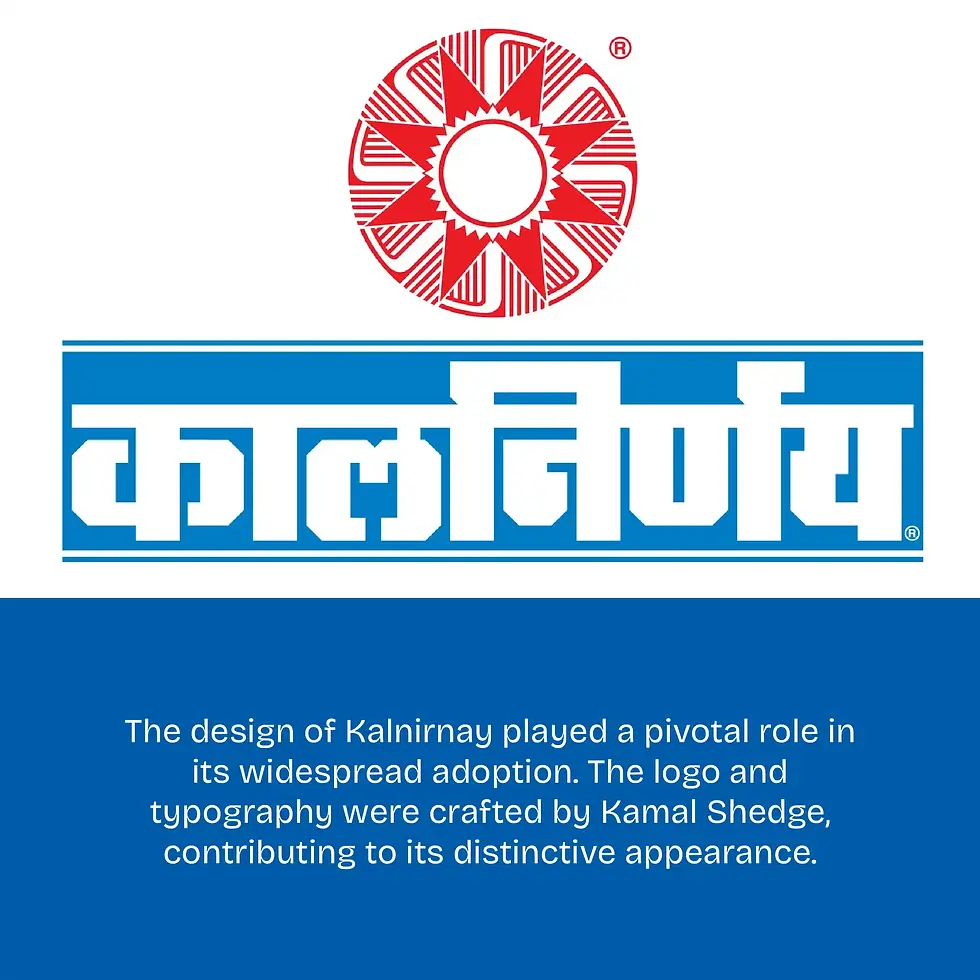

At its core, Kalnirnay is more than just a way to track dates. It is a deeply embedded cultural tool that maps festivals, auspicious timings, and rituals across religions including Hinduism, Islam, Christianity, Zoroastrianism, and Judaism. In a country as diverse as India, this inclusivity is not just thoughtful, it is essential.
What makes Kalnirnay particularly powerful is its accessibility. First published in Marathi, it broke away from the traditional dependence on astrologers by putting information directly into people’s hands. Over time, it expanded into multiple languages including English, Hindi, Gujarati, Tamil, Telugu, and Kannada, ensuring that its reach extended across regions and communities. The introduction of a Braille edition in 1996 further strengthened its commitment to inclusivity, making it usable for the visually impaired.

From a design perspective, Kalnirnay is an exercise in information density done right. Pages are packed with data, yet structured in a way that regular users instinctively understand. It reflects a uniquely Indian approach to design, where familiarity and function take precedence over minimalism.
Today, Kalnirnay continues to sit quietly in millions of homes, kitchens, and workspaces. It is consulted daily, not just for dates, but for guidance. In bridging tradition with usability, it stands as a timeless example of how design can shape everyday life.


Comments